
REVIEW · GIANT SWINGS AND BUNGEE JUMPS
Rotorua: 6 Ziplines, Swing-Bridges & Wildlife Encounters
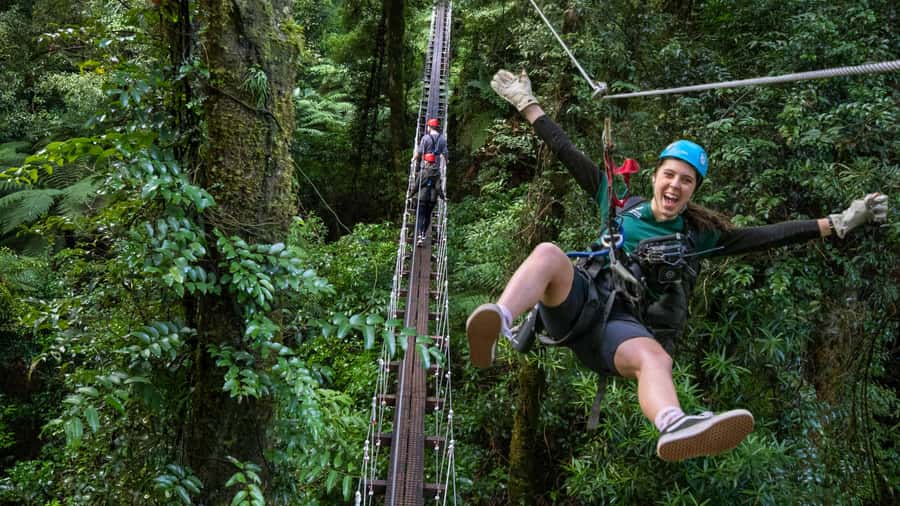
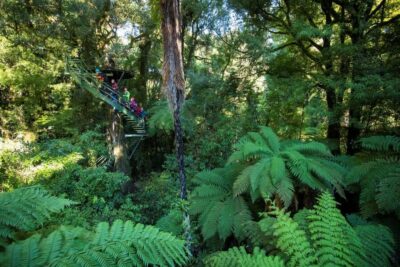
Rotorua’s best zipline experience is not just about speed. You fly through a rare native forest where six ziplines build from gentle confidence to 50km/h thrills, while guides explain how predator control has brought birds back. The highest platforms sit 22 metres above the forest floor, and the longest line stretches 220 metres.
I like two things especially: your ticket helps restore the forest, and the small groups keep the mood friendly rather than factory-like. Guides such as Emma, Vincent, Mitch, Sam, and Lauren are praised for making nervous first-timers feel safe. The main consideration is height: even with excellent support, you need a low level of fitness and comfort with harnesses, bridges, and exposed platforms.
Key points
- Six ziplines up to 220 metres long: The course gradually adds height, speed, and confidence.
- Native birds in their own forest: Look for robins, fantails, tomtits, and kererū, with possible hand-feeding.
- Two guides for groups of no more than 10: You get clear safety instruction and personal help.
- Conservation is part of the ticket: Your booking supports predator control and native forest restoration.
- Warm clothing and photos are included: Fleece, gloves, beanies, windbreakers, rain gear, and free digital photos remove several usual extras.
- A family-friendly minimum age of six: Children must still meet the 120 kilogram weight limit and handle the physical demands.
Six ziplines through a forest brought back to life
Rotorua is well known for geothermal sights, Māori culture, and outdoor adventures. This tour adds something different: an aerial route through protected native forest that the public cannot otherwise enter.
You begin on the ground with your two guides, safety gear, and a briefing. You’ll wear a helmet and a full-body harness with leg loops and shoulder straps. The equipment may look serious, but that is exactly what you want before leaving the forest floor.
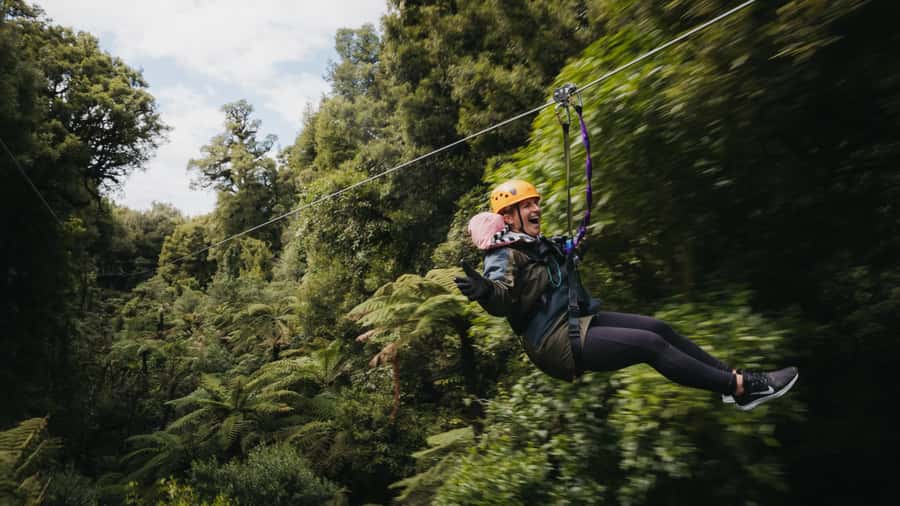
The course is designed to build confidence. Early lines help you learn how to launch, brake, and arrive at the next platform. Later lines feel faster and higher, with the longest run reaching 220 metres and speeds of up to 50km/h.
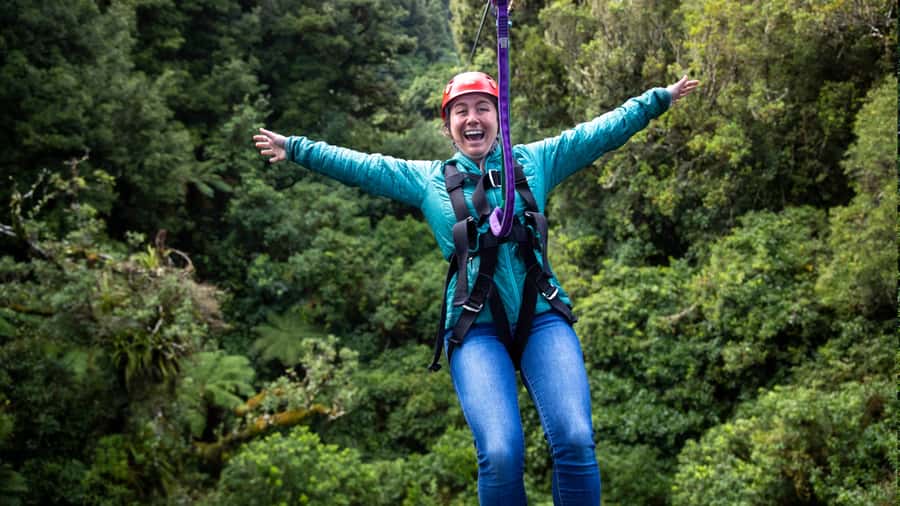
I like this gradual design because you do not have to arrive as a fearless adventure athlete. Several people who were uneasy about heights found that their confidence grew after the first couple of ziplines and one bridge. By the longest line, the nerves had often turned into excitement.
You should still take the height seriously. Platforms rise as high as 22 metres, and the two swing bridges reach up to 20 metres. This is not a flat forest walk with a short ride added on. You spend meaningful time above the ground, attached to cables and moving between tree-top platforms.
More Giant Swings and Bungee Jumps in New Zealand:
- Rotorua: 6 Ziplines, 400m Tandem, Cliff Walk & Swing Bridges
★ 4.9 · 93 reviews - Plettenberg Bay: Bungee Jumping with Zipline and Sky Walk
★ 5.0 · 506 reviews - Bali/Ubud: Swing, Zipline & SkyBike Rice Terrace Adventure
★ 4.7 · 382 reviews
The 10-minute ride from Rotorua
The standard meeting point is Rotorua Canopy Tours at 147 Fairy Springs Road. Depending on the booking option, you can use optional return transport from central Rotorua.
The ride to the forest takes about 10 minutes. It is short, but useful: you leave the city behind and arrive ready for the main activity rather than spending your first hour on a long transfer.
The tour lasts between 150 and 210 minutes in total. The advertised guided adventure itself takes about 2.5 hours, with transport and walking sections accounting for some of the wider time range. Plan at least half a day around it so you are not rushing to another booking.
Groups are limited to 10 people, with two guides leading the course. That matters. A guide can focus on the person launching while the other checks equipment, explains the next stage, or helps someone who needs a moment before stepping onto a bridge.
Larger bookings are split across departures. If you are planning a family outing or a group holiday, check the starting time carefully rather than assuming everyone will fly together.
Forest trails, old trees, and the first platforms
Before the main sequence of ziplines, you walk through the forest and pause at scenic points. This section gives you time to understand the setting and settle into your equipment.
The forest contains native trees more than 1,000 years old. You are not simply crossing an adventure course built in a convenient patch of woodland. The trees, birds, and restoration work are central to the visit.
Your guides explain the effect of introduced predators on native wildlife and how predator control has helped the forest recover. That context makes the bird sightings more meaningful. A fantail or tomtit is not just a pleasant distraction between rides. It is part of a wider effort to restore an ecosystem that once suffered heavy pressure.
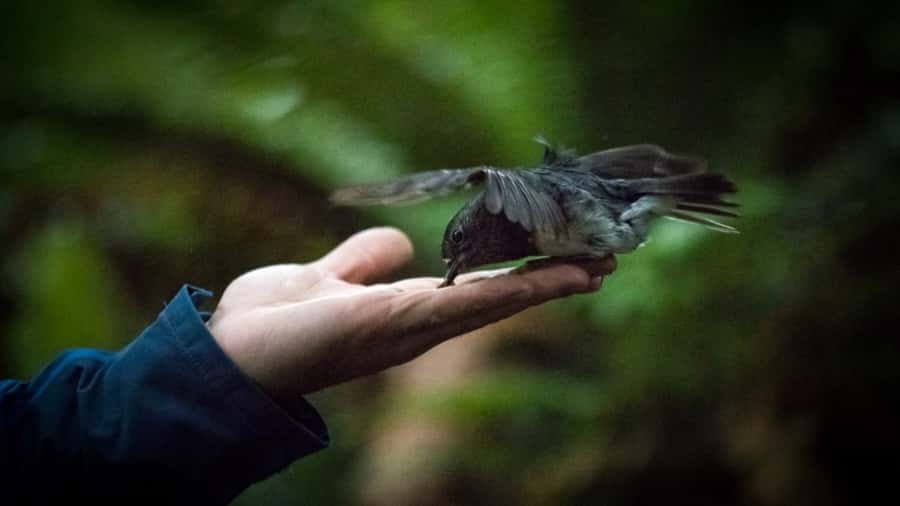
You may see North Island robins, piwakawaka, tomtits, and kererū. Some birds may feed from your hand, though they remain wild animals and sightings cannot be guaranteed. Bring patience and keep your attention on the forest as well as the next cable.
The walking sections are manageable for most people with a low level of fitness. Still, you need to walk forest trails, climb onto platforms, cross suspended bridges, and manage a harness for several hours. This is not suitable for people with mobility impairments, and you should tell the operator about medical conditions or accessibility needs before booking.
Swing bridges and the useful work of good guides
The two swing bridges are among the most memorable parts of the route. They reach up to 20 metres above the ground and add a different kind of challenge from the ziplines.
A zipline gives you a clear task: step off, travel across, and arrive at the far platform. A swinging bridge asks you to walk while the structure moves beneath you. The guides control the pace and explain what to do, but you still need to manage your balance and nerves.
This is where the guide team matters most. The strongest praise for this experience goes to the guides’ calm safety work and friendly humor. Names change by departure, but past guide teams have included Emma and Vincent, Locki and Mika, Ben and Mitch, Sam and Steph, and Lachy and Charlie.
You can expect two guides to handle the technical side while also explaining the forest. They check equipment, give clear instructions, encourage hesitant participants, and keep the group moving without making anyone feel foolish.
That support is especially useful for children and first-timers. An eight-year-old or 10-year-old may need a little time at the start, and the guides are used to making the first steps feel manageable. Nervous adults get the same care. You are not expected to perform for the group.
More Wildlife Outings in New Zealand:
- Zip Line Tour at Out of Africa Wildlife Park in Sedona,Camp Verde
★ 5.0 · 236 reviews
The ziplines grow faster and higher
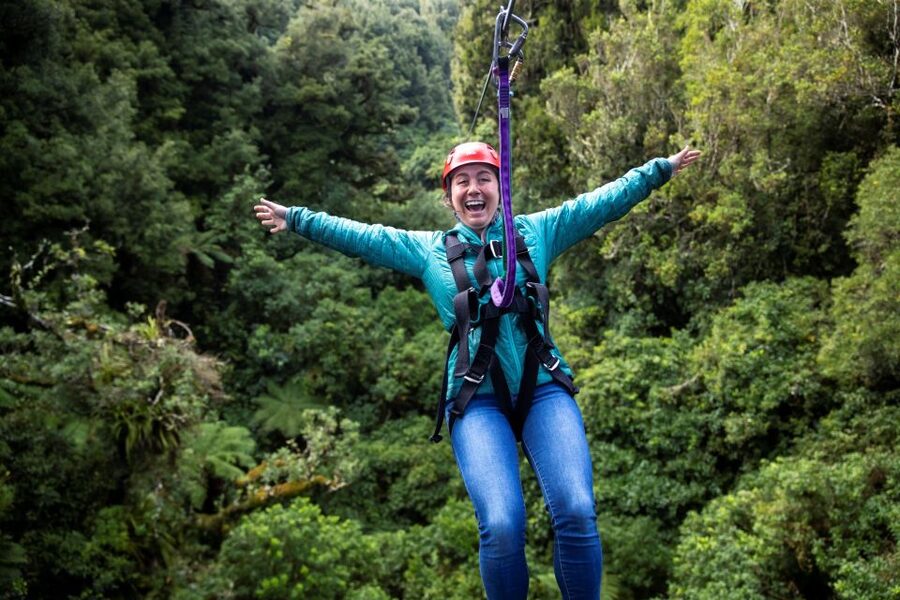
The six lines are arranged to build your confidence. The early rides introduce the sensation of leaving the platform and traveling above the forest. Later lines bring more height, speed, and longer views.
You will move between platforms by forest trail, bridge, and short walking sections. This gives you a break from the harness and lets you notice the trees and birds. It also keeps the experience from becoming six identical rides.
At up to 50km/h, the fastest sections deliver a proper rush without turning the whole visit into a speed contest. You can enjoy the view, listen to the forest, and still get that stomach-lifting feeling when your feet leave the platform.
The longest zipline is 220 metres. That distance matters because the ride feels substantial rather than over before you have settled into it. The exact sensation depends on weather, your position in the group, and your own comfort level, so you should not expect every run to feel the same.
Safety remains the main priority. You receive all required equipment, and no previous zipline experience is needed. The tour operates in most weather, with rare cancellations or changes possible in strong winds. Rain gear is available, so wet weather does not automatically ruin the day.
Wear closed-toe shoes. Sandals, slides, and jandals are not allowed. Personal medication should come with you, and smoking, alcohol, drugs, and littering are prohibited.
Wildlife encounters that make this more than an adventure ride
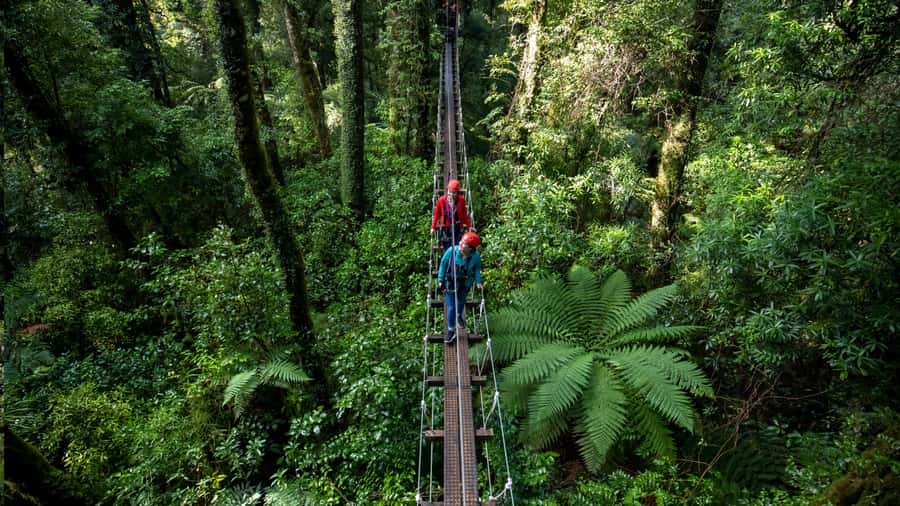
The forest is the real reason to choose this course over a standard urban zipline. You are moving through a protected environment with returning native birdlife, not just passing above trees on the way to the next platform.
Keep your eyes and ears open for birdsong. North Island robins, fantails, tomtits, and kererū may appear close to the route. A bird might even take food from your hand, though the guides cannot promise a particular species or encounter.
The conservation message is practical rather than decorative. Part of your ticket supports restoration work, including predator control and the return of native birds. Your visit helps pay for access to a forest that is being actively protected and repaired.
I value that connection because it gives the activity a purpose beyond the thrill. You still get six fast rides, but you also learn why the forest needs help and what changes when predators are controlled.
The conservation focus will appeal to you if you prefer activities that support the place you are visiting. If you only want the biggest possible zipline, the talks about trees, predators, and bird recovery may feel like a pause between rides. For most people, those pauses make the experience more memorable.
What the $118 price includes
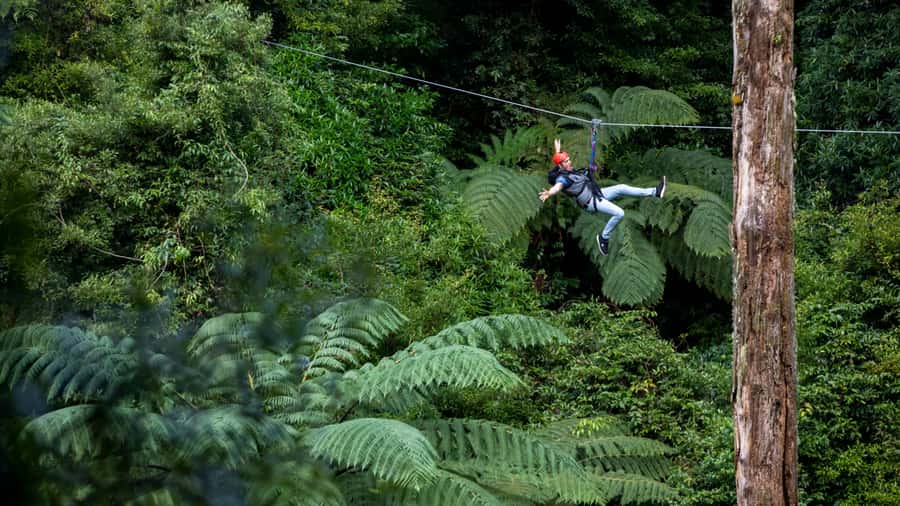
At $118 per person, this is not the cheapest activity in Rotorua. It is also more than the price of a single zipline ride at a basic adventure park.
The value comes from the full package. You receive a guided 2.5-hour course, six ziplines, two swing bridges, access to protected forest, two guides, all safety gear, warm clothing, rain gear if needed, free photos, and a contribution toward forest restoration.
The included clothing is useful in Rotorua, where forest conditions can feel cool even when the town is pleasant. Fleece, beanies, gloves, and windbreakers are available. You should still arrive in suitable closed-toe shoes and bring any personal medication.
Free photos also improve the value. Guides take photos at different points, and the images are sent to you afterward. You do not need to choose between managing your phone and holding on to the platform.
I would consider the price fair if you want both adventure and nature. It is less compelling if you are comparing it only with the cost of a short zipline ride. The conservation work, guide time, safety supervision, clothing, and forest access explain the higher price.
You can cancel up to 24 hours before the activity for a full refund, and the reserve-now, pay-later option helps if your North Island schedule is still shifting.
Who should book this Rotorua canopy tour?
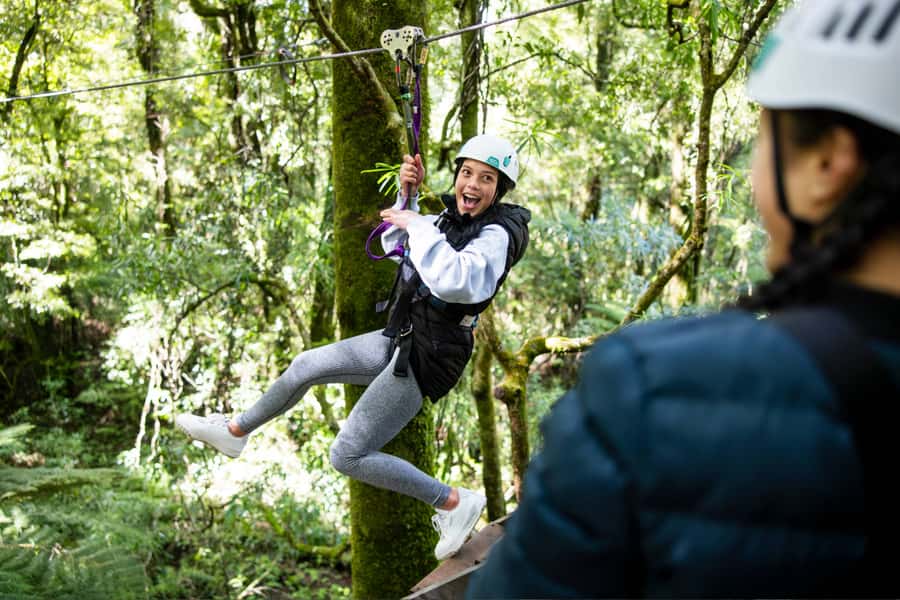
This course suits families with children aged six and up, couples, solo visitors, and mixed groups where some people are confident and others are nervous. The gradual course and two-guide setup help people with different comfort levels share the same activity.
It is a strong choice for first-time zipliners. You do not need previous experience, and the guides explain each stage. If heights worry you, tell the team early. The first lines and bridges are useful confidence builders.
It also suits people who want a more active forest experience. You will walk, stand, balance, climb onto platforms, and stay in a harness for much of the tour. A low level of fitness is required.
You should not book if you are pregnant, have a mobility impairment, weigh more than 120 kilograms, or are bringing a child under six. The 120 kilogram limit is checked privately before the tour, so no one else sees your weight.
The activity runs in most weather, but strong winds can affect operations. Rain is not necessarily a reason to cancel your plans because rain gear is provided.
My practical advice before you go
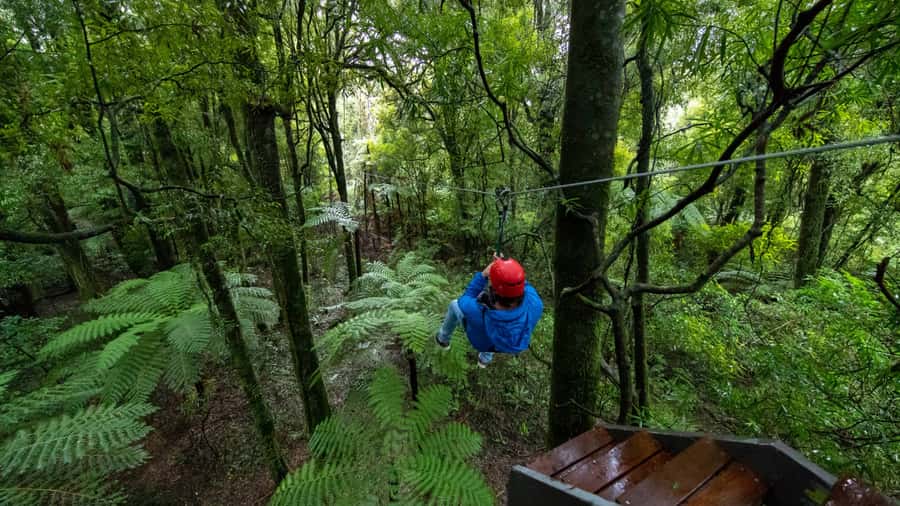
Wear comfortable, closed-toe shoes with a secure fit. Do not arrive in jandals or slides and expect to borrow a substitute.
Dress in layers. The operator provides warm items and rain gear, but comfortable clothing will make the walking and harness sections easier.
Give yourself time to settle in. The first ride may feel more intimidating than expected, especially if you have a fear of heights. The course is meant to build confidence, so do not judge the whole experience from the first platform.
Listen closely to the equipment instructions. The guides handle the safety system, but you still need to follow directions and move carefully on bridges and platforms.
Watch the forest between rides. The birdlife and old trees are not background decoration. They are the part of the experience that makes this course different from a standard zipline attraction.
Should you book it?
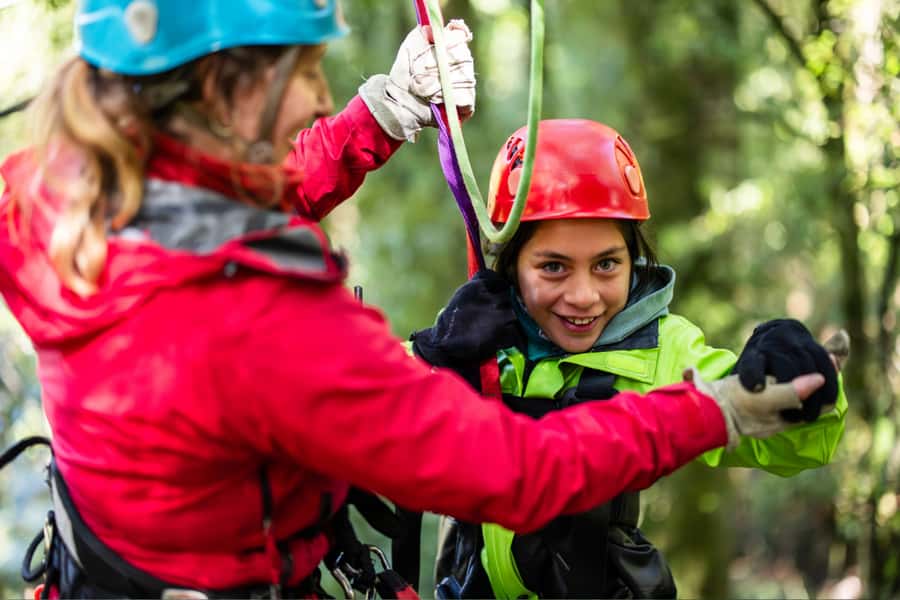
Book this Rotorua canopy tour if you want a well-supported adventure with a real conservation purpose. Six ziplines provide plenty of excitement, but the native forest, returning birds, swing bridges, and patient guides give the outing more depth.
I would choose it for a family with children aged six or older, a first-time zipliner, or anyone who wants to pair a thrill with meaningful time in nature. I would skip it only if heights, suspended bridges, or several hours of physical activity are a firm no.
At $118, you are paying for more than cable time. You are paying for expert supervision, forest access, warm gear, photos, and practical support for restoration work. For Rotorua, that makes it a strong value for an active half-day.
FAQ
Where does the Rotorua canopy tour begin?
The main meeting point is Rotorua Canopy Tours at 147 Fairy Springs Road. The meeting point can vary based on the option you book.
How long does the experience take?
The total duration is listed as 150 to 210 minutes. The guided zipline adventure lasts about 2.5 hours, with transport and walking sections included in the wider time range.
How many ziplines are included?
You ride six ziplines. The longest is 220 metres, and speeds can reach up to 50km/h.
How high are the platforms and swing bridges?
The highest tree-top platforms are up to 22 metres above the forest floor. The two swing bridges reach up to 20 metres high.
What wildlife might I see?
You might see North Island robins, fantails, also called piwakawaka, tomtits, and kererū. Some birds may feed from your hand, but wildlife encounters cannot be guaranteed.
Is previous zipline experience required?
No. All safety equipment is provided, and the course is designed to build confidence from the first line onward.
What is the minimum age?
The minimum age is six. Children must also meet the activity’s safety and weight requirements.
Is there a weight limit?
Yes. The maximum weight is 120 kilograms, or 264 pounds. Participants are weighed privately before the tour.
What should I wear and bring?
Bring closed-toe shoes and any personal medication. Warm clothing and rain gear are provided when needed, but layers are still sensible.
Newest lines around New Zealand
- Rotorua: 6 Ziplines, 400m Tandem, Cliff Walk & Swing Bridges★ 4.9 · 93 reviews
- Waiheke Island Day Tour: Ziplining, Wine Tasting & Vineyard Lunch★ 5.0 · 106 reviews
- Waitomo Caves 1-Kilometer-Long Zipline Tour★ 4.9 · 114 reviews
- Queenstown: 1-Hour Zipline Tour with 2-Lines & 21-Meter Drop★ 4.6 · 119 reviews
- Okere Falls: Zipline over Waterfalls Experience★ 4.9 · 187 reviews
- Adventurous Zipline Tour in Coromandel★ 5.0 · 175 reviews
- Kaikōura: Zipline and Native Forest Adventure Trip★ 5.0 · 175 reviews
- Half Day Zipline Adventure in Kaikoura★ 5.0 · 258 reviews
Giant Swings and Bungee Jumps, compared.
Plettenberg Bay: Bungee Jumping with Zipline and Sky Walk
Read our review →
Bali/Ubud: Swing, Zipline & SkyBike Rice Terrace Adventure
Read our review →
6 Ziplines, 400m Tandem, Cliff Walk & Swing Bridges
Read our review →
Canopy Tour with Superman and Tarzan Swing in La Fortuna
Read our review →
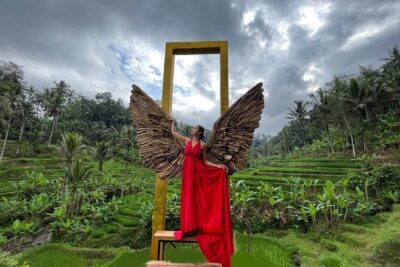
Zipline, Bali Swing, and Sky Bike in a Private Rice Terrace
Read our review →Browse the lists this ride appears in