
REVIEW · CUSCO ZIPLINE TOURS
Cusco: Half-Day Zip Line Adventure and Chinchero Tour
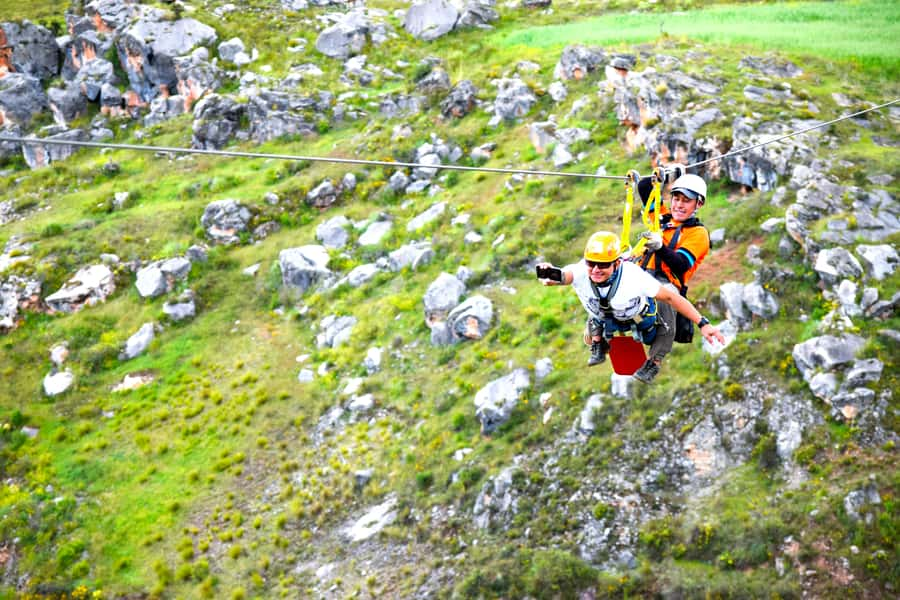
The best part of this five-hour outing is the quick change of pace: you go from soaring over the Sacred Valley to studying old stonework and handwoven patterns in Chinchero. The four zip line choices, from 300 to 700 meters, let you pick a ride that matches your nerve and energy.
I like the mix of outdoor fun and living culture, especially the chance to see how Andean textiles carry symbols and ideas from long before the Inca period. I also like the private-group format and included pickup from central Cusco. The main drawback is time: with roughly two hours in transfers, this is a brisk introduction rather than a slow village visit, and the S/80 archaeological-site ticket is extra.
Key points to know before booking
- Four zip line lengths: Choose a 300, 400, 500, or 700-meter ride, according to the options provided for the adventure.
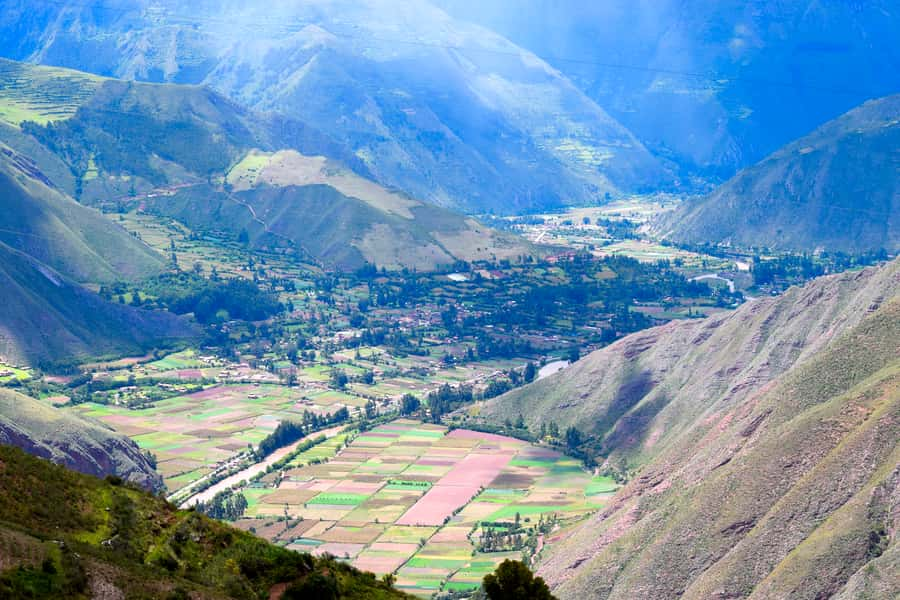
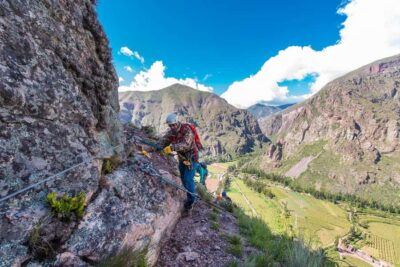
- Raqch’i setting: The flight takes place in the Cusco Region, with mountain and Sacred Valley views from above.
- Chinchero’s Inca center: See well-preserved Inca walls around the main square, along with village altars.
- Colonial church art: The church is known for its unusual interior artwork and imagery.
- Andean textile traditions: Learn about weaving methods, symbols, and ideas that predate the Inca.
- Private transport: Pickup and drop-off are included for hotels around Cusco city center.
From central Cusco to Raqch’i’s mountain air
Your day begins with pickup near central Cusco. The two listed meeting and return points are Iglesia del Triunfo and Centro Histórico, and hotel pickup is included for hotels around the city center. That is useful in Cusco, where walking to a central meeting point can be easier than arranging a taxi at an early hour.
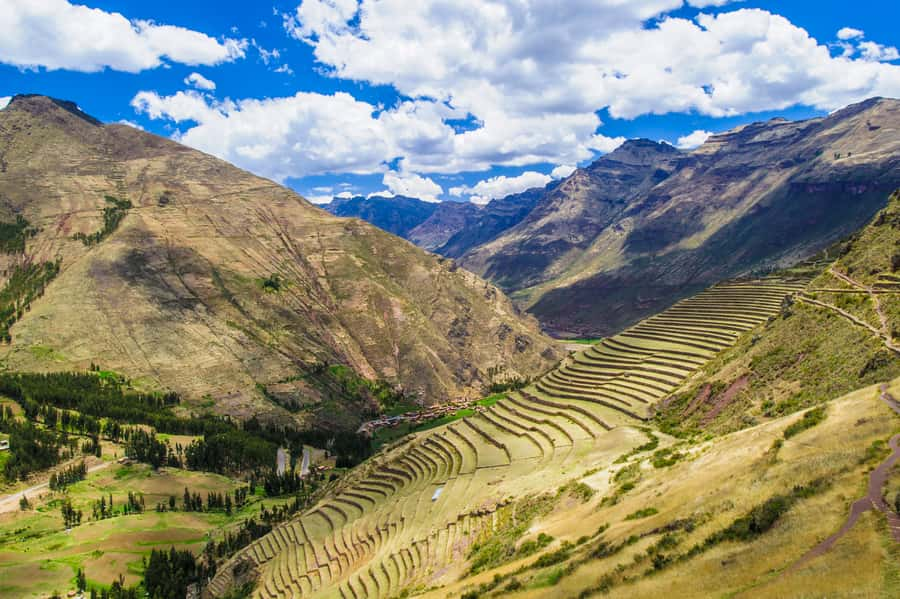
The first transfer is listed at about one hour. Use it to get comfortable, watch the city give way to the highland countryside, and keep your phone ready for mountain views. The activity description places the zip line in Raqch’i, described as an area once part of the Inca Empire and now surrounded by dramatic mountain scenery.
This is not a ride that begins beside your hotel. The road time matters because the zip line itself lasts about 105 minutes within the schedule. You are paying for a half-day outing with transport, not for five straight hours of activity.
At the zip line site, an instructor handles the practical side of the ride. You should expect basic safety direction before you go, though the provided details do not specify the exact harness system, number of runs, or age and weight limits. Ask those questions when booking if they matter to you.
More Half-Day Outings in Peru:
- From Cusco: Half-Day Zip Line Adventure
★ 4.8 · 3 reviews - Ubud: Half-Day Zipline and Jungle Swing Adventure
★ 4.5 · 352 reviews - Riviera Maya Jungle Half-Day Tour: ATV, Ziplines, Cenote Swim, Rappel
★ 4.5 · 339 reviews
Choosing between 300 and 700 meters
The four stated choices range from 300 to 700 meters. That gives the outing some flexibility. A shorter line may suit you if the height is the main challenge, while the longest option offers more time in the air and a broader view as you cross the valley space below.
The description does not say that every length is included in the same way, so confirm how the choices work before you pay. It is also sensible to ask whether you select one line or several lines during the 105-minute visit. Do not assume that the longest flight is automatically the best one. A shorter ride can still provide the thrill, while leaving more energy for Chinchero.
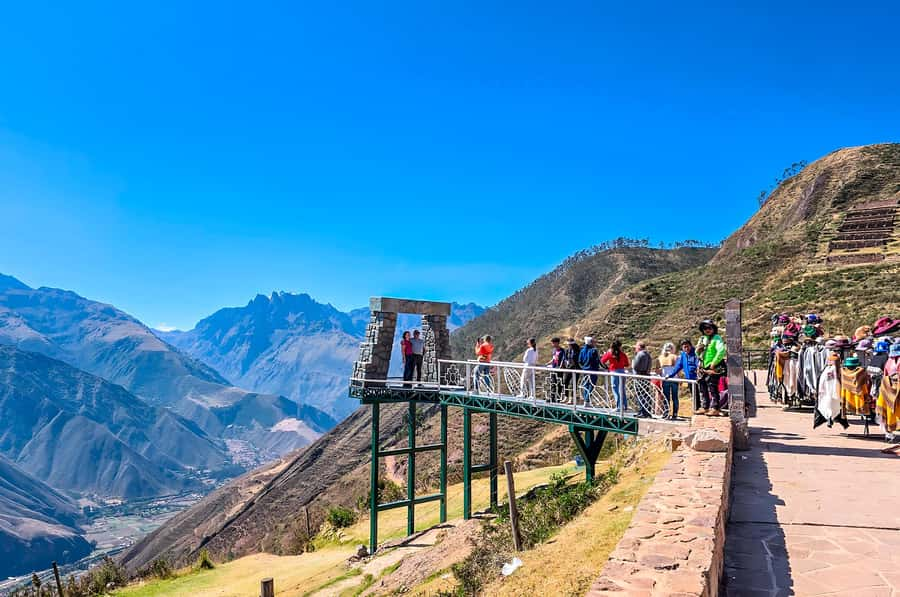
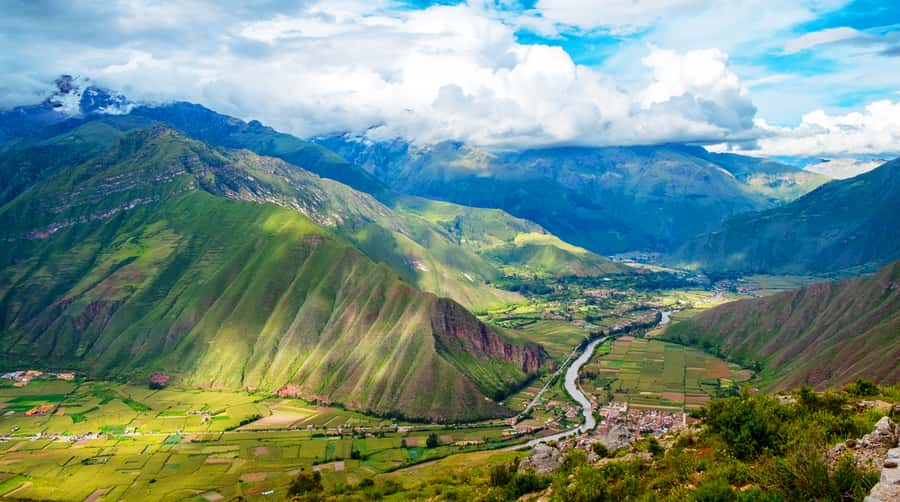
The appeal here is the view. From the cable, you see mountains and the Sacred Valley from a fresh angle rather than from a roadside lookout. That makes the zip line more than a quick amusement stop. It gives you a strong visual introduction to the scale of the region.
Still, this is an active outing, not a gentle sightseeing ride. The provider lists the experience as unsuitable for people with back problems. You should also arrive sober and avoid bringing prohibited items, including weapons, sharp objects, alcohol, or drugs.
Wear comfortable clothes that allow easy movement. A sun hat, sunscreen, and rain gear belong in your day bag. Cusco’s weather can shift, and the information for this activity specifically asks you to prepare for both strong sun and rain. You should also carry your passport or another accepted ID card.
The short trip to Chinchero
After the zip line, you continue to Chinchero. The description gives a scenic 20-minute drive, while the stated schedule assigns about one hour to the transfer portion. Since the full activity lasts five hours and includes two listed one-hour transfers, treat the exact road timing as flexible. Traffic, pickup arrangements, and road conditions can affect the pace.
That timing issue is worth keeping in mind when comparing this tour with a full-day Sacred Valley trip. You will see Chinchero, but you will not have an unhurried day to wander every corner of the district. The benefit is efficiency: you can combine a high-energy activity with two cultural stops without committing an entire day.
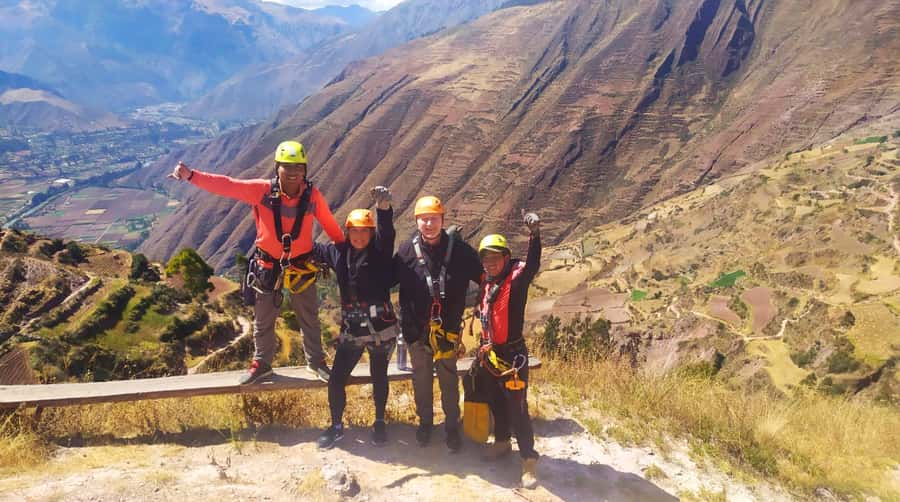
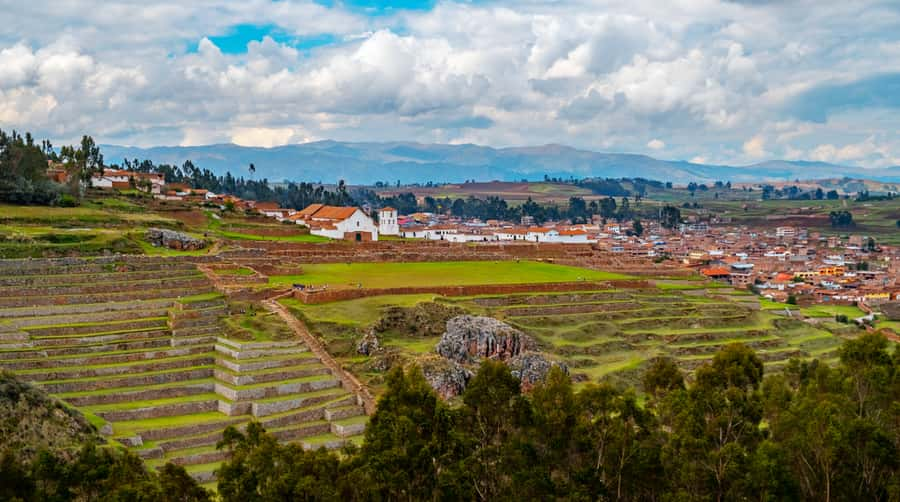
Chinchero is especially appealing because its modern village life sits beside clear remains of the Inca period. The main square has well-preserved Inca walls, and the village includes several altars. These stones give you something substantial to look at after the adrenaline of the zip line.
I like this pairing because the two parts ask you to pay attention in different ways. On the cable, you watch the land spread out below. In Chinchero, you look closely at masonry, layout, and religious spaces. The change keeps a short tour from feeling one-note.
The archaeological-site ticket costs S/80 per person and is not included. The supplied information does not spell out every area covered by that ticket, so confirm the current ticket details before departure. Add this cost to the advertised $120 price when you work out your budget.
Inside Chinchero’s colonial church
The colonial church is another main stop. Its interior is known for distinctive artwork and imagery, giving you a chance to see how Spanish colonial religious design was placed within an Andean setting.
You should expect the church visit to be a focused look rather than a long guided art seminar. The guide speaks English or Spanish and can help explain what you are seeing, but no individual guide names are provided. If you want detailed interpretation of the paintings, altars, or local religious traditions, ask your guide to slow down and point out the details.
The church adds an important layer to the Chinchero visit. The Inca walls show the earlier foundations of the village, while the colonial interior reflects the changes that followed the Spanish arrival. Seeing both in one stop helps you read Chinchero as a place shaped by several periods, not as a single archaeological display.
Photography rules and opening conditions are not provided, so follow the guide’s instructions inside. A respectful approach is essential in any active religious building. Keep your visit quiet, and do not treat the interior as just another photo stop.
More Zipline Tours in Peru:
- Sam’s Zip Line in Sacred Valley
★ 5.0 · 75 reviews - Rafting & Zip line Urubamba River 1 Day
★ 5.0 · 75 reviews - 4-Day Inca Jungle Adventure, Mountain Biking, Rafting and Zipline
★ 5.0 · 60 reviews - Cusco Rafting and Zipline Adventure
★ 4.5 · 47 reviews
Learning what Andean textiles mean
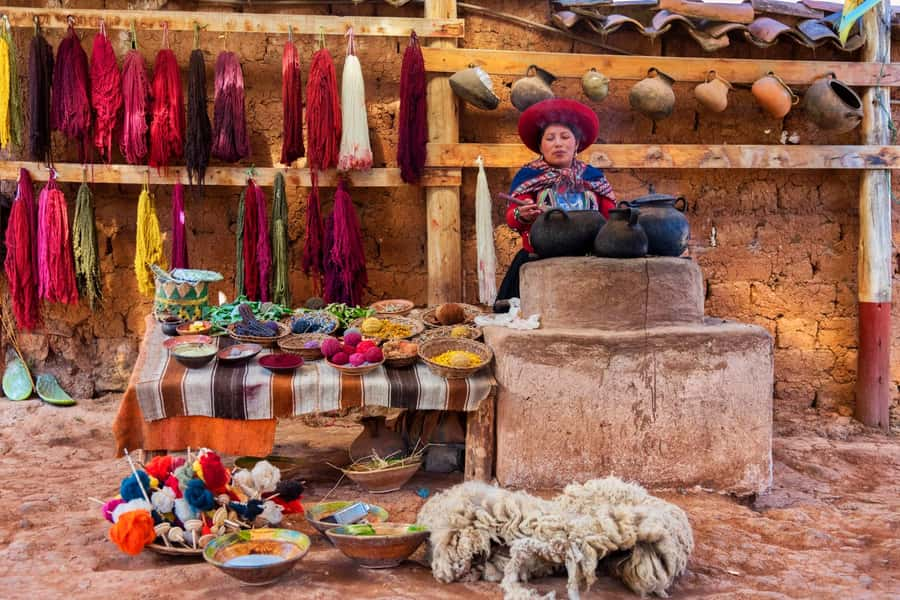
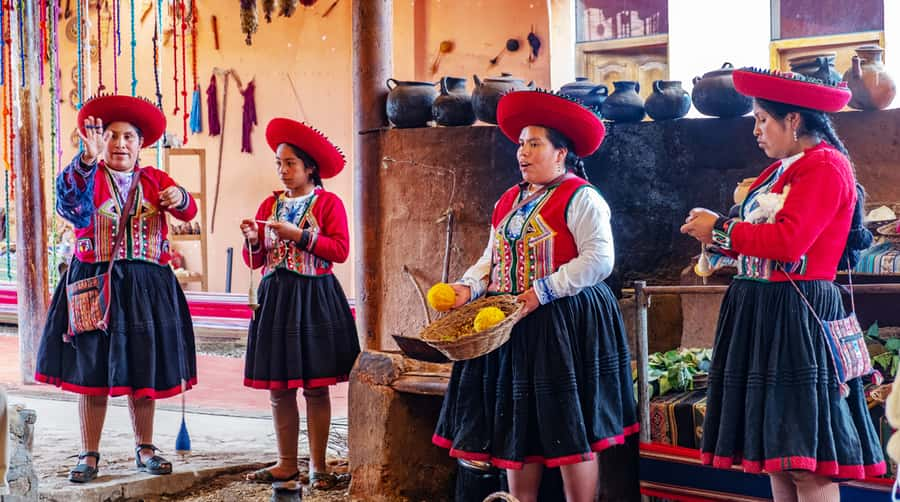
The textile portion may be the most grounded cultural stop of the day. You learn about Andean weaving traditions, including the symbols and ideas carried by the fabrics. The origins described for these practices reach back to civilizations older than the Inca Empire.
That point matters. The textiles are not simply colorful souvenirs or decorative patterns. They can express local identity, belief, and inherited knowledge. The tour gives you a chance to understand that meaning before you decide if you want to buy anything.
The information does not state that a purchase is required or that a specific workshop is included, so you should not assume a sales presentation is part of the schedule. It does say you will gain insight into the tradition and the wisdom behind the designs. Listen for explanations of how patterns are read and why certain symbols matter.
I like this stop because it gives context to objects you may see throughout Peru. Cusco’s markets are full of woven goods, and without explanation it is easy to see only color and texture. Here, the patterns have a story and a place in Andean culture.
The visit also balances the zip line well. You begin with speed and height, then finish with close attention to hands, fibers, symbols, and memory. That is a better cultural mix than adding another viewpoint to an already scenic day.
What $120 includes, and what it does not
The price is $120 per person. For that amount, the package includes hotel pickup and drop-off, a zip line instructor, and an English- or Spanish-speaking live guide. It is a private group, which can make a real difference when you need help with timing, safety questions, or translation.
The value is strongest if you want one organized half-day rather than separate transport to Raqch’i and Chinchero. You avoid arranging the road transfer yourself, and the day combines an activity, an archaeological setting, a church, and textile education.
The price is less attractive if you want only a zip line ride. You are also paying for the transport and guide time, and the archaeological-site ticket is separate. Meals are not included, so eat before pickup or plan food around the schedule. No meal stop is promised.
The reserve-now-and-pay-later option gives you some planning flexibility, and free cancellation is available up to 24 hours before the activity for a full refund. Starting times depend on availability, so check the departure options before building the rest of your Cusco day around this outing.
Who will get the most from this half-day
I would recommend this experience to you if you want a compact activity with more substance than a simple adventure ride. It fits visitors who enjoy a bit of physical excitement but also want a guide to explain local culture and historical places.
It can work well for a private group with different interests. Someone may care most about the zip line, while another person may be more interested in the church, stonework, or weaving. The four line lengths provide some choice, though you should confirm the exact ride arrangement.
It is less suitable if you have back problems, dislike heights, or want a long, quiet visit in Chinchero. It may also feel rushed if you are looking for a full archaeological tour, a long textile workshop, and a relaxed meal all in one day.
The weather kit is not optional in practice. Pack a hat, sunscreen, and rain gear, along with comfortable clothes and identification. You are moving between Cusco, an outdoor activity area, and cultural sites, so dress for changeable conditions rather than for one fixed temperature.
Should you book the Raqch’i and Chinchero combination?
Book it if you want a private five-hour outing that joins Sacred Valley views with a real cultural stop. The best reason to choose it is the contrast: a 300 to 700-meter zip line, ancient stone walls, a colonial church, and Andean textile knowledge in one organized trip.
Think twice if you need a slow schedule or want all costs included. The S/80 site ticket and meals are extra, transfer times may vary, and Chinchero receives a focused visit rather than a full day.
For the right person, this is a smart Cusco add-on. It gives you a strong burst of mountain scenery, then asks you to look closer at the people, buildings, and woven traditions of the highlands.
FAQ
How long does the activity last?
The activity lasts five hours.
Where does pickup take place?
Pickup is included from hotels around Cusco city center. The listed central pickup points are Iglesia del Triunfo and Centro Histórico.
Where does the zip line take place?
The zip line takes place in the Chinchero District, in the Raqch’i area described for the experience.
How long are the zip lines?
The available zip line lengths range from 300 to 700 meters.
Is a guide included?
Yes. An English- or Spanish-speaking live guide and a zip line instructor are included.
Is this a private tour?
Yes. The activity is described as a private group experience.
Is the archaeological-site ticket included?
No. The archaeological-site ticket costs S/80 per person and is not included.
Are meals included?
No. Meals are not included in the price.
What should I bring?
Bring your passport or ID card, sun hat, sunscreen, rain gear, and comfortable clothes.
Newest lines around Peru
- Zipline over the Sacred Valley Trip★ 5.0 · 11 reviews
- 07 Day: Inca Jungle Adventure with Mountain Bike, Rafting, Zipline & Trek★ 5.0 · 36 reviews
- Tambopata: Zipline Adventure & Kayak to Monkey Island★ 3.9 · 7 reviews
- Puerto Maldonado: Jungle Adventure |Zipline + Canopy + Kayak★ 3.2 · 5 reviews
- From Cusco: Half-Day Zip Line Adventure★ 4.8 · 3 reviews
- From Cusco: Via Ferrata & Zip Line with lunch★ 5.0 · 5 reviews
- From Cusco: Via Ferrata and Sky Lodge Zipline★ 5.0 · 16 reviews
- Cusco: Zipline + ATV’s | Salt Mines of Maras and Moray |★ 5.0 · 4 reviews
Cusco Zipline Tours, compared.
4-Day Inca Jungle Adventure, Mountain Biking, Rafting and Zipline
Read our review →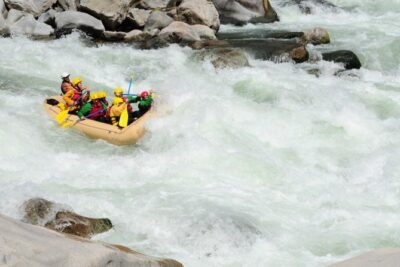
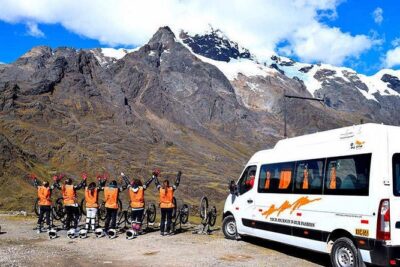
07 Day: Inca Jungle Adventure with Mountain Bike, Rafting, Zipline & Trek
Read our review →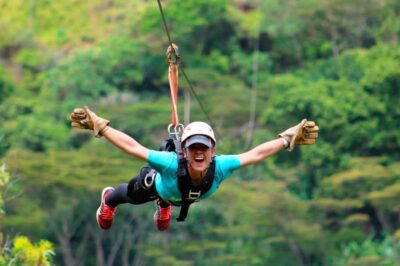
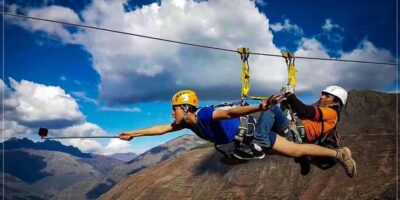
Browse the lists this ride appears in